Mental Health and Wellbeing

At St Julian’s Church School, we prioritise emotional health and wellbeing.
Mental Health and Wellbeing
At St Julian’s Church School, we take the emotional health and wellbeing of every child seriously. Through our curriculum, relationships and wider opportunities, we help children develop resilience, confidence and positive mental health.
We also recognise that everyone experiences difficult times. Children may sometimes feel worried, sad, overwhelmed or unsettled, and there may be times when changes in behaviour or mood suggest that they are finding things difficult.
If you are concerned about your child, please talk to us. You do not have to wait until you are seriously worried before asking for support. We are always happy to listen, talk things through and work with you to help your child.
How We Can Help at School
Your child’s class teacher is often a good first point of contact. You can also speak to Miss Mills or Mrs Mapstone about any concerns relating to your child’s emotional health and wellbeing.
We will work with you to understand what your child needs and, where appropriate, help you access further support.
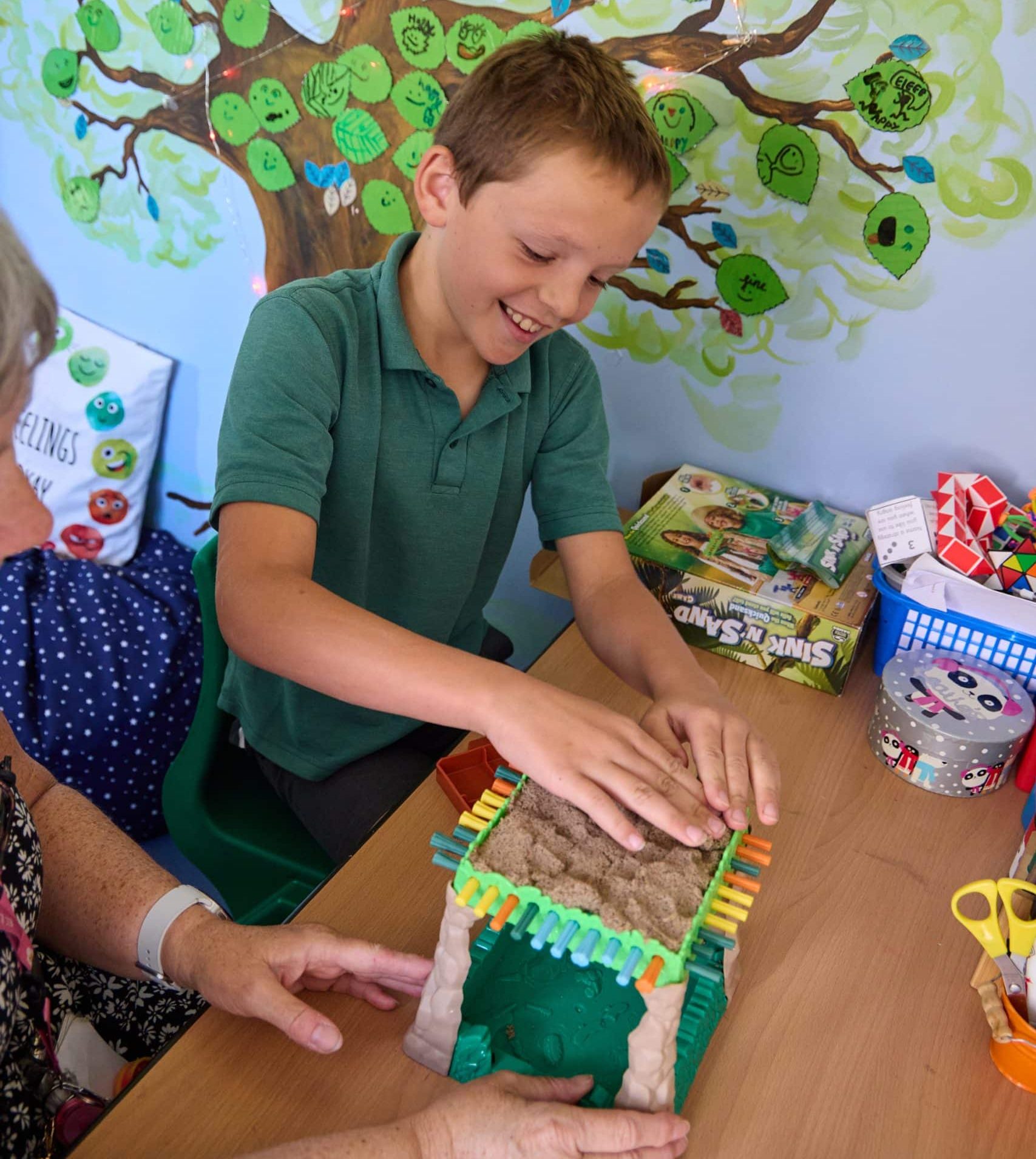
We are fortunate enough that Mrs Winchester is a trained Emotional Literacy Support Assistant (ELSA). She has received special training from educational psychologists to help children and young people learn how to understand and manage their emotions, build social skills, and feel good about themselves. She has her own space called the ELSA Room.
What areas does an ELSA help with?
- Loss and bereavement
- Emotional Literacy
- Self-esteem
- Social Skills
- Friendship issues
- Relationships
- Managing strong feelings
- Anxiety and worries
- Bullying
- Conflict
- Emotional Regulation
- Growth Mindset
- Social and therapeutic stories
- Problem solving

Local Support
There are a range of services available to children, young people and families in Bath and North East Somerset. The B&NES Council website provides up-to-date information about local mental health and wellbeing services, including CAMHS, Off The Record, Youth Connect and other sources of support.
BANES Children’s Mental Health Support
You can also speak to your GP, who can discuss your child’s physical and emotional wellbeing and help you access appropriate support.
School Nurses provide confidential advice, care, and treatment to children and young people, as well as support for their parents.
CAMHS (Child and Adolescent Mental Health Services) provides specialist NHS support for children and young people experiencing a range of emotional, behavioural and mental health difficulties.
CAMHS (Child and Adolescent Mental Health Services)
Specialist Autism Support Service provide advice specifically for autistic children and their parents.
Off The Record provides free, confidential wellbeing support and counselling for young people aged 11–25 in B&NES.
Looking After Your Own Wellbeing
Looking after a child’s wellbeing can sometimes be challenging, particularly when you are managing difficulties of your own. Looking after yourself is important too.
Talking to friends or family, speaking to your GP or accessing support can make a real difference. B&NES provides information about local services and support for adults and families through its Live Well directory.
BANES Adults’ Mental Health Support
Other Useful Resources
There are also a number of trusted organisations offering information, advice and practical resources for parents and carers, including:
Young Minds provide information about all aspects of child mental health and they also have a parent helpline.
Childline have lots of information, advice, tips and techniques to support children’s wellbeing.
The NHS provides medical advice and guidance.
Need Help Now?
If you are concerned that your child or someone else is in immediate danger, seek urgent help. B&NES advises going to A&E or calling 999 in an emergency.
For less urgent concerns, please speak to us, your GP or one of the local services above. Asking for help is a positive step, and you do not have to manage things alone.
The information and links on this page are provided to help families find appropriate support. Services and eligibility can change, so please check the linked organisation’s website for the most up-to-date information.